Africa’s Drone Revolution: Bypassing Traditional Infrastructure Challenges.
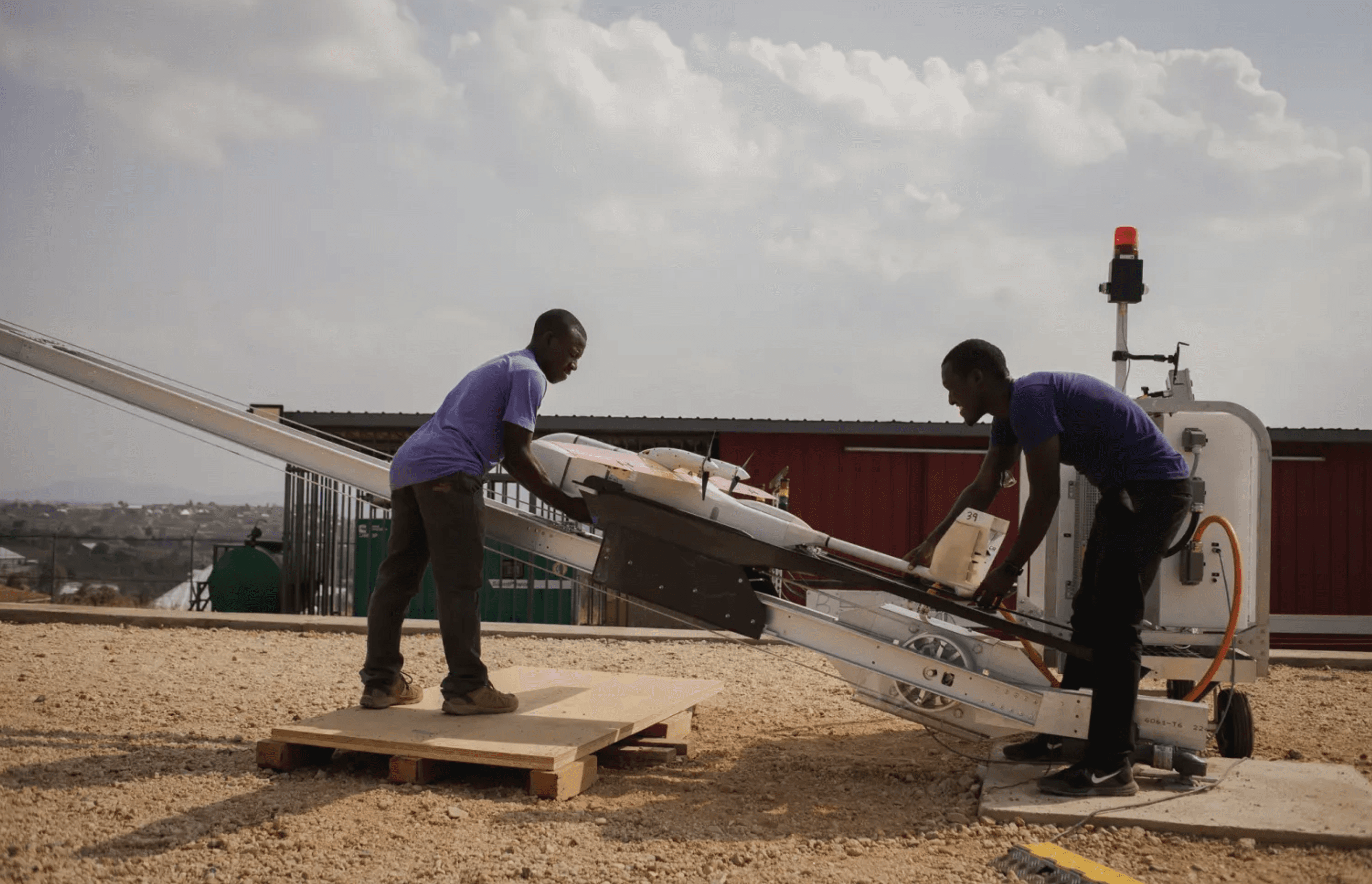
Years ago, I harbored what many might have considered a truly wild idea: that Africa should prioritize developing autonomous drone infrastructure alongside traditional road networks. And before you reach for the pitchforks, let me clarify — this was well before AI became a household term and data autonomy was commonplace.
At the time, the concept sounded, frankly, absurd. Why advocate for building “flying robots” when the fundamental need was basic infrastructure to move people and goods efficiently from point to point? Conventional wisdom dictated that upgrading villages and improving access to facilitate rural-urban movement, commerce, and commuting would have a lasting positive effect on critical sectors like healthcare, education, and agriculture. And, of course, these are undeniably good things.
Yet, it’s profoundly fulfilling to see that those “wild thoughts” weren’t just idle speculation; they held genuine foresight. Just a few years after scribbling down that initial notion. Today, Zipline, a company that truly scaled its operations during the COVID-19 pandemic, is fulfilling a remarkable 92% of Ghanaian medical orders in under 60 minutes. This autonomous infrastructure ensures that essential healthcare facilities, even in the most remote areas, can operate effectively around the clock, transcending the limitations of physical roads.
What began with delivering blood and medical products in 2016 has rapidly expanded to include food, retail, agriculture products, and even animal health supplies. Having logged over 100 million commercial autonomous miles, the infrastructure is actively transforming access to everything from healthcare to consumer goods and food. To date, their deliveries have reached thousands of homes, hospitals, and businesses across Ghana, Rwanda, Nigeria, Côte d’Ivoire, and Kenya.
The impact is staggering. A peer-reviewed study in Ghana’s Western North Region reported a 56.4% reduction in maternal mortality and a 25% increase in facility-based births. Furthermore, the Ashanti Region has seen a 21 percentage point increase in childhood immunization coverage, directly attributable to this efficient delivery system.
But the potential extends far beyond healthcare. Imagine the agricultural sector: drones delivering much-needed pesticides and fertilizers directly to farmers, or even efficiently transporting their harvests to urban centers, providing immediate access to markets for fresh produce. The educational sector could also benefit immensely; it’s worth noting that Zipline even had to deliver crucial WAEC Exam papers with their drones during the 2024 exam season, showcasing their versatility in unexpected critical situations.
This isn’t to say roads are obsolete. Rather, this case calls on us to prioritize forward-thinking research and development into futuristic in-country logistics. By fostering local craftsmanship and building robust global partnerships, we can not only improve existing infrastructure but also cultivate and train a new generation of local expertise, ensuring Africa’s position at the forefront of this innovative future.